By Stacia Johnston, MS | ACLM Director of Community Health
Luis Padilla, MD | NACHC Chief Health Officer
ACLM and NACHC are partnering to expand lifestyle medicine across community health centers through workforce training, implementation resources, and national education initiatives, helping health centers deliver whole-person, root-cause care to the millions of patients they serve.
As chronic disease rates continue to rise across the nation, community health centers (CHCs), the largest primary care system in the country, remain on the front lines — serving patients with limited access to health care, many of whom are disproportionately impacted by chronic conditions. Addressing these challenges requires scalable, evidence-based solutions that go beyond symptom management to address root causes of disease.
This National Health Center Week, we are reminded about the impactful work we’re leading together with the National Association of Community Health Centers (NACHC). Our collaborative efforts are built on supporting and advancing lifestyle medicine, including “Food for Health” initiatives in CHC settings. We are creating training and educational opportunities to upskill the workforce, giving on-the-ground lifestyle medicine CHC clinicians a platform to showcase their sustainable lifestyle medicine programs, and co-designing implementation tools to advance lifestyle medicine as the standard of care for the 52 million patients CHCs serve every year.
Building workforce capacity for long-term impact
A cornerstone of the ACLM–NACHC partnership is expanding access to lifestyle medicine education and training for the health center workforce.
Through the National Training Initiative (NTI), a scholarship exclusively for FQHC/CHC primary care providers, and education offerings — including “Lifestyle Medicine Fundamentals: Framework for Success” — clinicians working in CHCs can access training and certification opportunities. As a NACHC Education Partner of Choice, ACLM is able to offer the Fundamentals course complimentary to NACHC members.
Learn more + apply for NTI Take the Lifestyle Medicine Fundamentals Course and Earn 7.5 Hours of CME
CHCs nationwide are uniquely suited to leverage Food for Health initiatives, and many across the country are already implementing lifestyle medicine programs in their clinics. Implementation guidance and strategies help take Food for Health initiatives from ideas or pilots to scalable approaches. Thus, ACLM and NACHC are focused on turning knowledge into actionable care delivery models through our joint efforts to design implementation tools.
A key example is the CHC Lifestyle Medicine Shared Medical Appointment (LMSMA) Toolkit, a co-developed resource designed to guide health centers through the implementation of shared medical appointments. An LMSMA is a group clinical encounter where patients receive counseling, education, physical exams, and clinical support. Patients with similar health concerns and conditions can listen, interact, and learn from each other in a supportive group setting focused on the six pillars of lifestyle medicine — optimal nutrition, physical activity, restorative sleep, stress management, connectedness, and risky substance avoidance. This toolkit includes practical, step-by-step guidance on staffing models, workflows, and billing strategies — ensuring that lifestyle medicine can be sustainably integrated into existing care systems. ACLM engaged key stakeholders throughout the toolkit’s development process, working closely with health center clinicians and executives, and Primary Care Association (PCA) and Health Center Control Network (HCCN) leaders who provided invaluable insights.
The LMSMA Toolkit will be debuted at NACHC’s CHI & Expo during the Operationalizing Food as Health: Lifestyle Medicine Shared Medical Appointments for Community Health Centers concurrent session on Sunday, August 16, 1:00-2:00 pm PT.
Health centers also have access to free evidence-based LMSMA curricula — highlighted during the recent ACLM-NACHC joint webinar series — clinical tools, and implementation frameworks that support team-based care, shared medical appointments, and whole-person approaches. Together, these resources enable organizations to operationalize lifestyle medicine while aligning with value-based care priorities.
Learn more about ACLM’s LEADR curriculum, proven to put diabetes in remission.
National learning and engagement opportunities
To support shared learning and scale best practices, ACLM and NACHC are collaborating on national presentations and conference programming. These platforms highlight real-world success stories from lifestyle medicine board-certified clinicians and provide actionable insights on implementation, reimbursement, and patient engagement.
This collaboration extends to national convenings as well. Notably, Dr. Kyu Rhee, NACHC president and chief executive officer, will serve as a keynote speaker at ACLM’s annual conference, LM2026, underscoring the growing alignment of community health centers to advance lifestyle medicine and improve health outcomes for medically underserved patients. His participation reflects the increasing visibility and importance of integrating prevention-focused, whole-person care into health systems serving all people.
Register for LM2026 in Orlando, Florida.
A shared vision for healthier communities
The ACLM–NACHC collaboration represents a powerful, coordinated effort to transform how care is delivered in community health settings. By combining workforce training, implementation resources, national education, and awareness programming, this partnership is helping health centers move upstream, addressing the root causes of disease while improving outcomes for the communities they serve.
Together, ACLM and NACHC are not just advancing lifestyle medicine — they are advancing a future where whole-person care is the standard.
Connect, learn, and lead in community health
Where lifestyle medicine is making an impact in underserved communities
Lifestyle medicine is embedded in underserved communities across the nation, bringing evidence-based approaches to communities that need it most. Clinicians in these areas are using lifestyle medicine interventions to address chronic disease and improve health outcomes where traditional resources are limited.
About the author
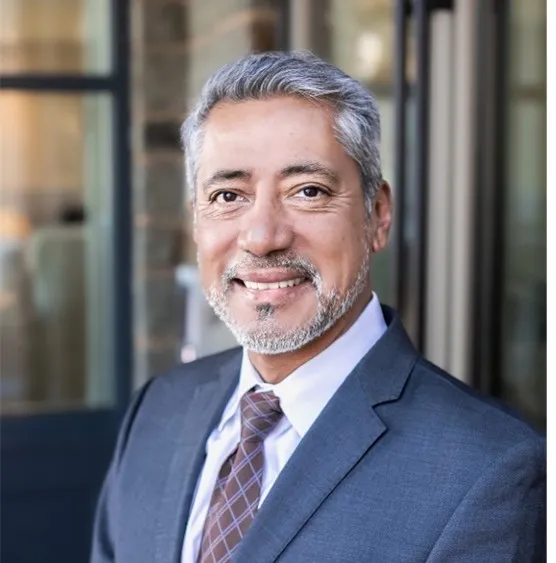
Dr. Luis Padilla comes to NACHC from the Health Resources and Services Administration (HRSA). There he served for nearly a decade as the Associate Administrator for the Bureau of Health Workforce (BHW), responsible for over 70 workforce programs and 478 staff, and Director of the National Health Service Corps (NHSC), BHW’s largest program of over 18,000 clinicians. A key focus for Dr. Padilla at HRSA was improving primary care across the nation and developing, recruiting, and retaining a diverse and culturally competent health workforce; under his leadership, the Bureau expanded to its current budget of almost $2 billion and the NHSC grew to the largest size in its 50-year history. Prior to joining HRSA, Dr. Padilla served for more than a decade at Unity Health Care, the largest community health center system in Washington, DC, as senior health policy advisor to the CEO, medical director, and as a NHSC Scholar. He also served on the National Advisory Council of the NHSC from 2007 to 2010.
A licensed family physician, Dr. Padilla received a Bachelor of Arts in philosophy and a Bachelor of Science in biology from the University of California at Irvine. He earned a medical degree from Wake Forest School of Medicine and completed his family medicine residency at Brown University.
About the author
Stacia Johnston is the Director of Community Health at the American College of Lifestyle Medicine (ACLM). Her career began fifteen years ago in the health sector, where she worked to support the communications and marketing department at a small breast cancer organization. Over time, she began to uncover the inequities in healthcare and how historically underserved populations were negatively impacted through poor health outcomes and disproportionate mortality.